The Evolution of Concrete Batching Plants in Modern Infrastructure
As megaprojects scale globally, the demand for highly automated, high-capacity stationary batching plants has skyrocketed. In the past, achieving high volume meant sacrificing the consistency of the mix or extending batch cycle times to unacceptable levels. However, modern infrastructure demands both speed and absolute structural integrity.
The Role of Twin-Shaft Technology
Enter Jayem's new JH-Series. The cornerstone of this series is its advanced twin-shaft mixing technology. Unlike traditional drum mixers, twin-shaft mixers create a high-intensity 3D motion. This aggressive agitation ensures that every single aggregate, grain of sand, and drop of water is rapidly and evenly distributed. The result? A 100% homogeneous mix quality achieved in a fraction of the time.
Automation and Precision
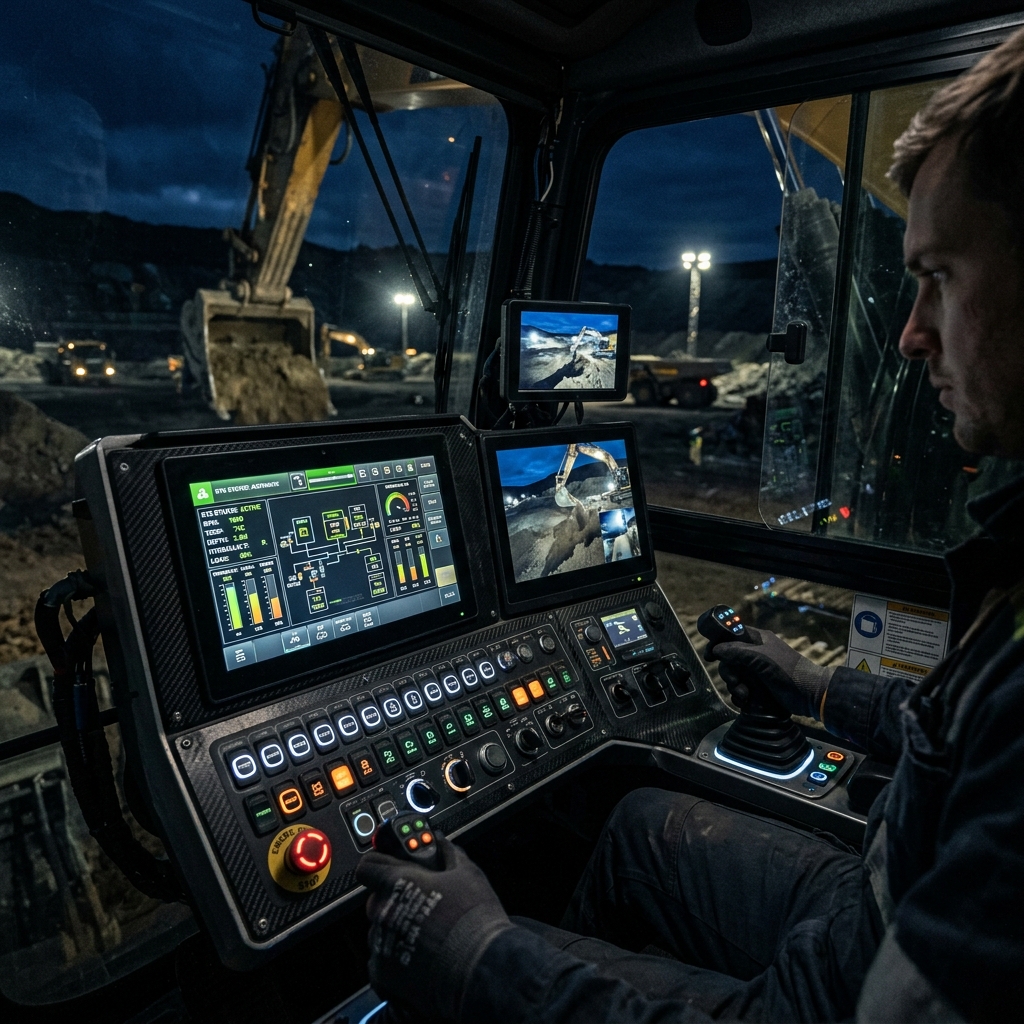
Beyond the mechanical mixing, the evolution is heavily driven by automation. The JH-Series incorporates state-of-the-art PLC systems with SCADA interfaces, allowing operators to monitor moisture levels in real-time and adjust aggregate weights down to the kilogram. This drastically reduces batch cycle times and virtually eliminates human error, ensuring that every batch meets the strict tolerances required by modern structural engineers.
In an era where infrastructure projects operate on razor-thin deadlines, upgrading to a modern batching plant isn't just an operational improvement—it is a competitive necessity.