Tower Hoists: Safety Protocols for Vertical Material Transport
As urban skylines stretch higher, the logistics of moving materials vertically become increasingly complex. Vertical transportation involves massive risks—a single failure can lead to catastrophic site delays or, worse, severe injuries. This is why strict safety protocols and advanced engineering are paramount in modern tower hoists.
Anti-Fall Mechanisms
The core of any reliable vertical transport system is its braking mechanism. Every Jayem Multi-Purpose Tower hoist is equipped with progressive safety gears and over-speed centrifugal brakes. In the highly unlikely event of a primary drive failure or free-fall, these mechanical brakes engage instantly, gripping the mast section to bring the cage to a smooth, immediate halt.
Load Management and Weight Limiters
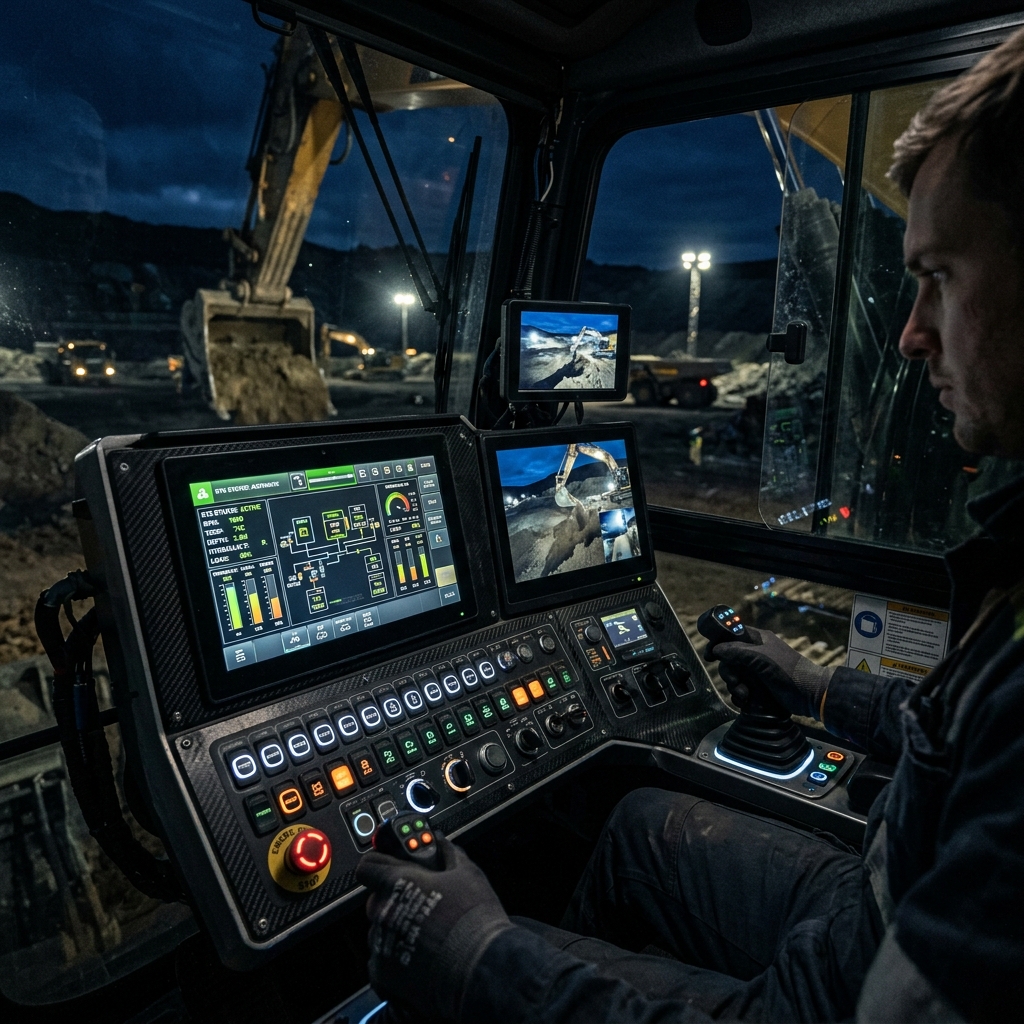
Overloading is a common hazard on fast-paced construction sites. To combat this, our hoists feature integrated load cells and digital weight limiters. If the payload exceeds the safe operational limit, the system physically prevents the hoist from operating and alerts the operator, removing the element of human error from load management.
Rigorous Structural Engineering
Beyond active safety systems, the passive structural integrity of the mast and cage is crucial. Utilizing high-yield steel and precision-welded joints, the mast sections are designed to withstand extreme wind loads and dynamic operational stresses. When it comes to vertical transport, safety isn't an optional add-on—it is the foundation of the machine's design.